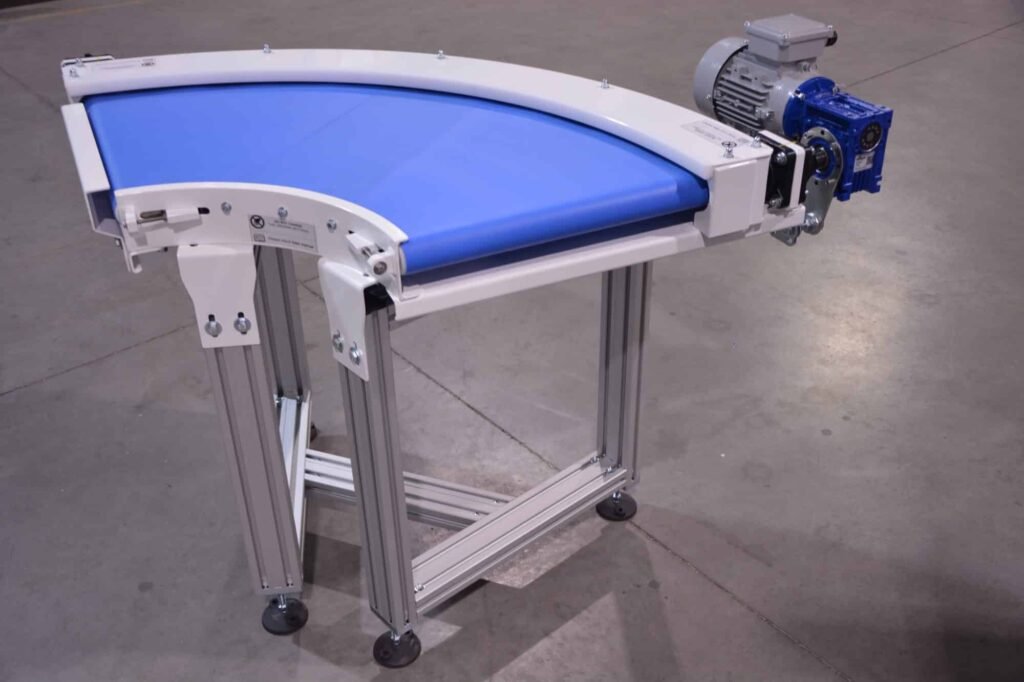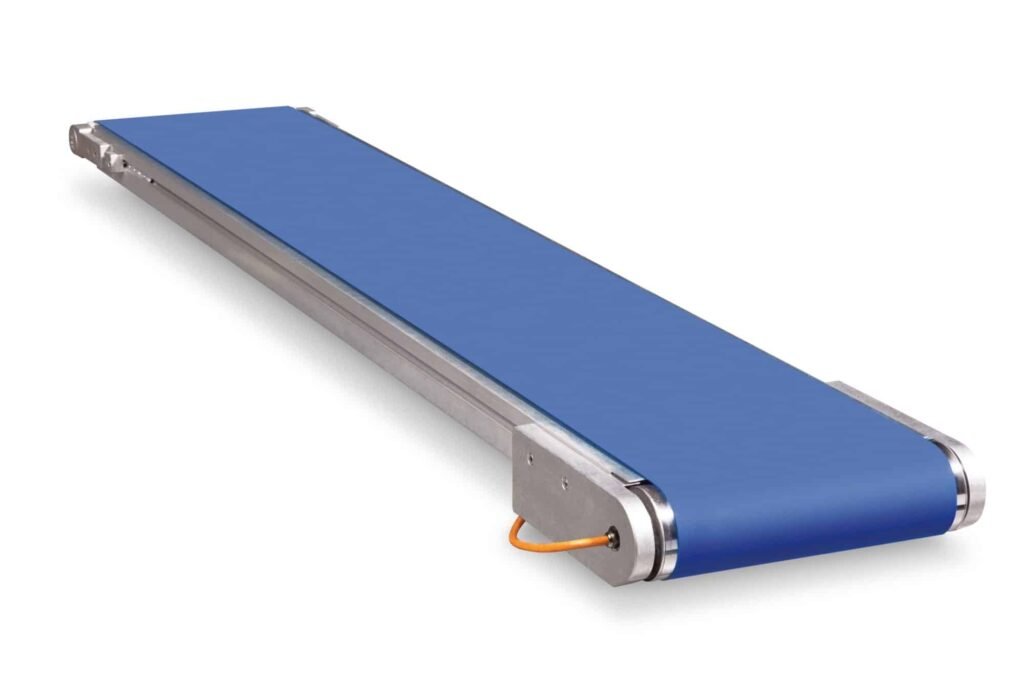
One of the key advantages of conveyor belt systems is their efficiency. By automating the movement of materials, businesses can significantly reduce the time and effort required for handling goods. This not only speeds up production and distribution but also minimizes the risk of human error and workplace injuries. Conveyor systems can be designed to operate continuously, ensuring a smooth and uninterrupted workflow, which is especially important in high-demand environments such as packaging and logistics centers.
Conveyor belts are available in a variety of materials and designs to suit different applications. Common materials include rubber, PVC, polyurethane, and metal, each offering unique benefits depending on the operating environment. For example, rubber belts are ideal for heavy-duty applications like mining, while PVC belts are commonly used in food processing and packaging due to their hygienic properties. Specialized belts can also be designed to withstand extreme temperatures, chemicals, or abrasive conditions, ensuring durability and long-term performance.
Customization is another important feature of modern conveyor belt systems. Businesses can tailor conveyor solutions based on their specific needs, including belt width, speed, load capacity, and direction of movement. Additional features such as automated controls, sensors, and sorting mechanisms can be integrated to further enhance efficiency and accuracy. Inclined or declined conveyor systems can also be used to move materials between different levels, making them suitable for complex production layouts.
Maintenance and reliability are crucial aspects of conveyor belt performance. Regular inspection and proper maintenance help extend the lifespan of the system and prevent unexpected downtime. Many modern conveyor systems are designed with easy maintenance in mind, featuring modular components that can be quickly replaced or repaired. This ensures consistent performance and reduces operational disruptions.